
The election of Donald J. Trump as president-elect has led to an extraordinary legal development, marking a historic moment in American history. Despite being convicted on multiple felony charges, the former businessman avoided jail time but officially became a felon. This unusual outcome was due to the unique circumstances surrounding his case and impending inauguration. The judge opted for an unconditional discharge, acknowledging the complexities of balancing justice with constitutional responsibilities. The proceedings highlighted both the symbolic weight of the conviction and the practical limitations imposed by Trump's new role.
Juan M. Merchan, the presiding judge, delivered a verdict that acknowledged the unprecedented nature of the case. Trump, who had been found guilty of falsifying records, faced a sentencing that would not interfere with his presidential duties. The court's decision reflected a delicate balance between legal principles and political realities. By granting an unconditional discharge, the judge ensured that the conviction could be formally entered without subjecting the president-elect to imprisonment or probation.
The courtroom atmosphere was charged as Trump appeared virtually from Mar-a-Lago. His demeanor and statements during the hearing underscored his continued defiance. He maintained his innocence, emphasizing that the public had witnessed the process firsthand. The prosecution, led by Joshua Steinglass, emphasized the overwhelming evidence against Trump while criticizing his lack of remorse. Meanwhile, Trump's defense team, represented by Todd Blanche, challenged the legitimacy of the case, arguing it was politically motivated. The final decision by the court marked a significant moment in legal history, setting a precedent for how criminal cases involving elected officials might be handled in the future.
The court's ruling carries profound implications for both the legal system and Trump's presidency. As the first U.S. president to enter office with a felony conviction, Trump's case sets a troubling precedent. The lenient sentence does not erase the fact that he is now a convicted felon, which may impact public perception and trust in the judicial process. Moreover, the case highlights the challenges of prosecuting high-profile individuals, especially those holding or about to hold powerful positions.
Following the sentencing, Trump can pursue a formal appeal of his conviction, though he cannot pardon himself for state charges. The Supreme Court's rejection of his request for a stay underscores its independence and willingness to uphold the rule of law. The case originated from a 2016 hush-money payment to Stormy Daniels, aimed at preventing a scandal that could have derailed Trump's campaign. The jury concluded that Trump had reimbursed Michael Cohen for this payment and directed the falsification of business records to conceal it. While the immediate legal consequences were mitigated by the unconditional discharge, the long-term ramifications of this case will likely continue to shape discussions around justice, politics, and the presidency.

English Lemon Posset
Recipe excerpted from Modern Comfort Food by Ina Garten. With four tablespoons of limoncello and a generous amount of lemon zest, this is the perfect sweet for lemon dessert lovers.
Schaum Torte Is the Beloved Wisconsin Dessert You Need to Try
Schaum Torte is a classic German dessert that's popular in Wisconsin. Our Schaum Torte recipe is made with layers of airy meringue, whipped cream, and berries.
15 Best Side Dishes for Salmon
Salmon can be a real showstopper of an entrée. Make it stand out even more with a good side dish for salmon. Healthy sides like bright vegetables and filling ones such as rice side dishes, pasta side dishes, or potato side dishes, can really punch up your salmon. Here are 15 great side dishes for this delicious fish.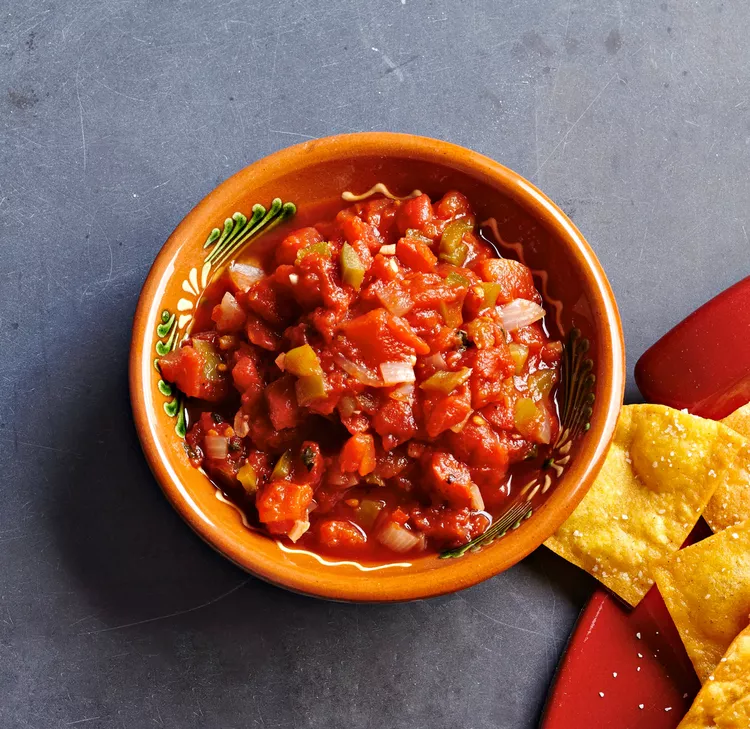
Chunky Homemade Salsa
Just add chips! Our homemade chunky salsa recipe, featuring spicy peppers and fresh herbs, tastes way better than the store-bought kind. Rather than going raw, try this cooked salsa recipe with your next Mexican meal.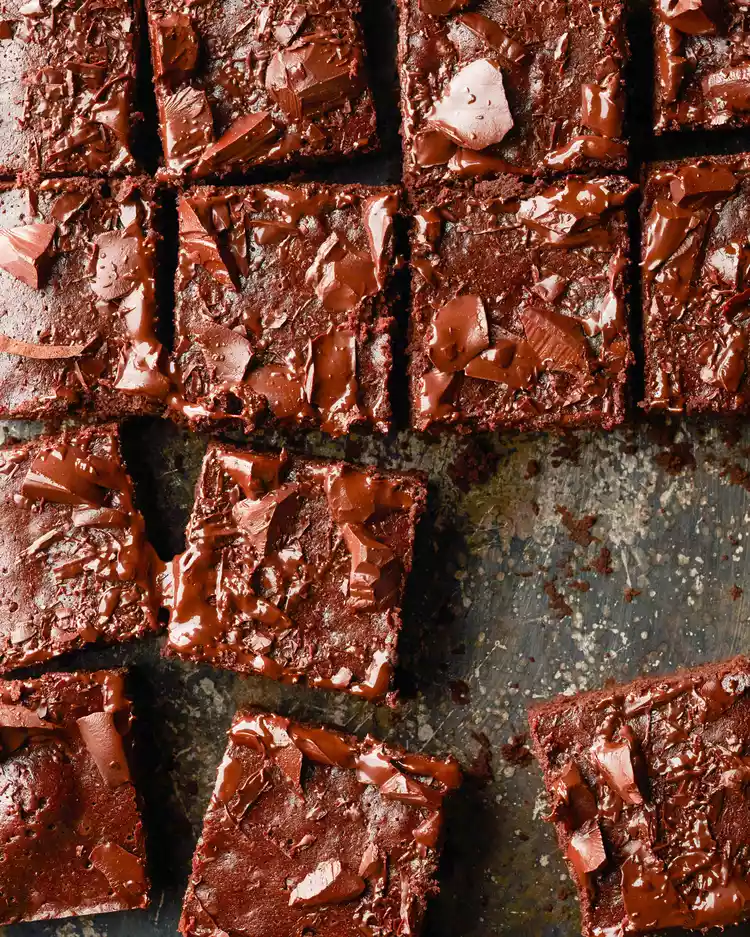
13 Healthy Dessert Recipes Under 200 Calories a Serving
These easy, healthy dessert recipes are under 200 calories, so it’s possible to enjoy cake, frozen treats, cookies, and more and stay on a meal plan.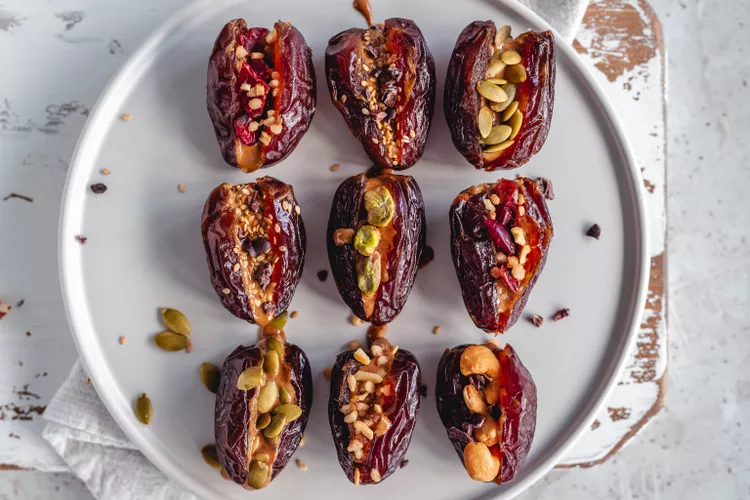
Why Dates Are on Everyone’s Go-to Snack List Right Now
Dates—aka nature’s candy—are having a bit of a moment, but the benefits of this fruit go way beyond flavor. Learn about the benefits of eating dates, plus how to fit more into your routine.
This Smoked Mole-Inspired Turkey Is Juicy and Flavorful
For this smoked turkey recipe, we concocted a rub using spices typically found in a traditional Mexican mole (a rich chocolate-chili sauce), including cocoa, cinnamon, cumin, and chili powder. If you don’t have a smoker, you can still use the warm spice combo on a roasted turkey.
Is a Pinch of Salt the Secret to Your Best Cup of Coffee Yet?
Our experts weigh in on when (and when not) to add salt to coffee.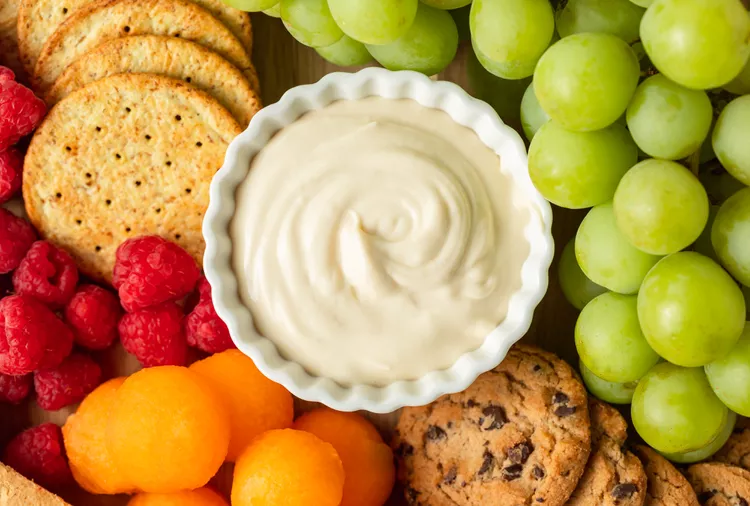
Cream Cheese and Yogurt Fruit Dip
Everything from cantaloupe to grapes to berries tastes better dunked in this easy fruit dip recipe. Share this homemade yogurt fruit dip at parties or package in small containers to tote in brown bag lunches.
Here's How to Make Perfect Deviled Eggs
Add new taste sensations to a popular potluck food by jazzing up standard deviled eggs.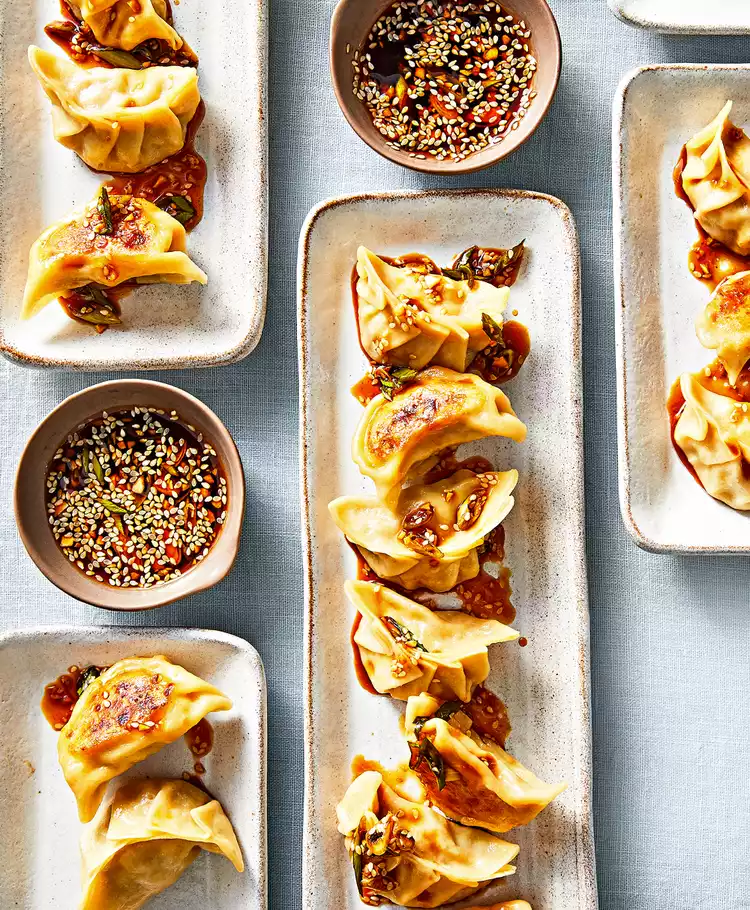
16 Make-Ahead Appetizers to Freeze for Easy Entertaining
With these delicious make-ahead appetizers to freeze, you'll always be ready for a get-together. Recipes include meatballs, snack mix, and guacamole.
How to Make Popcorn on the Stove Perfectly Every Time
When you know how to make popcorn on the stove simply from popcorn kernels and oil, you’ll always choose stovetop popcorn over bagged microwave popcorn.
Cut Your Prep Time in Half With Our Tips for Make-Ahead Pie Crust
Sped up your favorite sweet and savory pie recipes with a classic pastry dough that can be stored in the fridge or freezer for quick use.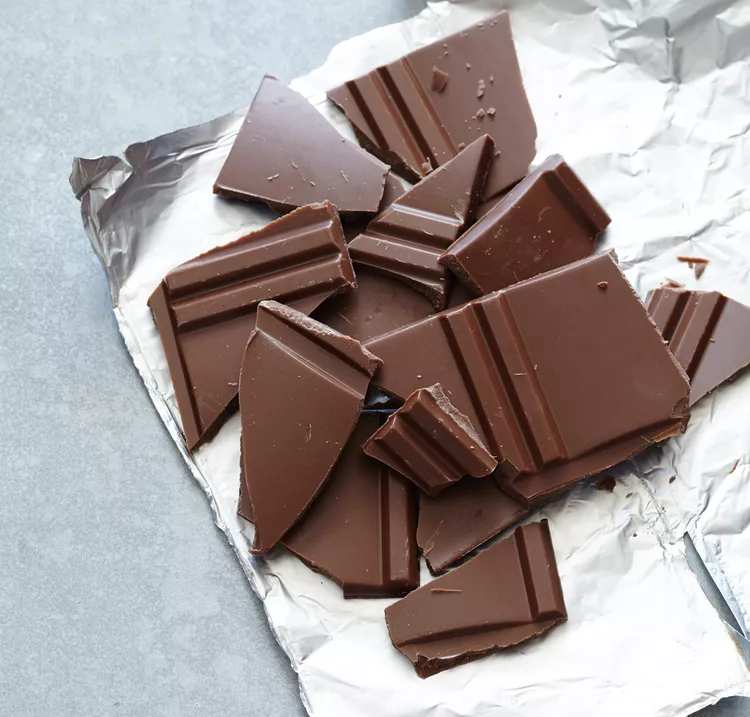
Our Test Kitchen's Top Substitutes for Chocolate of Every Type
Discover the best substitutes for semisweet, baking, and unsweetened chocolate in your favorite recipes with our Test Kitchen-approved alternatives.
Are Plant-Based Meat Substitutes Healthy? What You Need to Know
Plant-based meat substitutes are increasing in popularity. If you're interested in becoming a vegetarian or flexitarian, look at the ingredient list.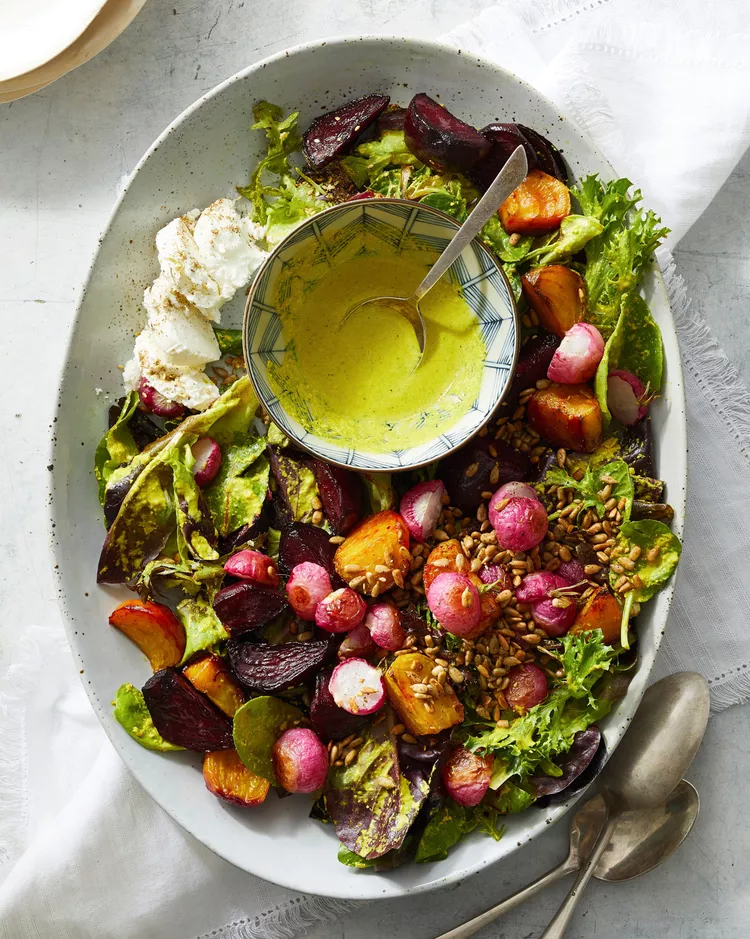
Roasted Beet and Radish Salad with Sunflower Seed Turmeric Vinaigrette
Roasted beets and radishes provide an irresistible earthy base to this Mediterranean-seasoned salad.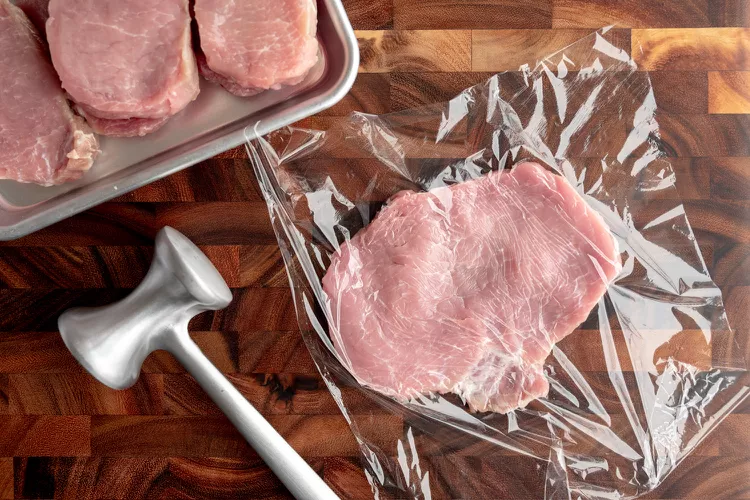
Classic Pork Tenderloin Sandwich
Learn how to make a pork tenderloin sandwich. You'll discover what goes on a pork tenderloin sandwich and the history of how a pork tenderloin sandwich recipe developed into one of the most popular sandwiches in the Midwest.
Turkey-Apple Grilled Cheese Sandwiches
We think grilled cheese could use an upgrade from just bread and cheese, don't you? To makeover this crowd-pleasing sandwich just a little, we added sweet onion, apple slices, turkey, and apple jelly to the cheesy filling in the center.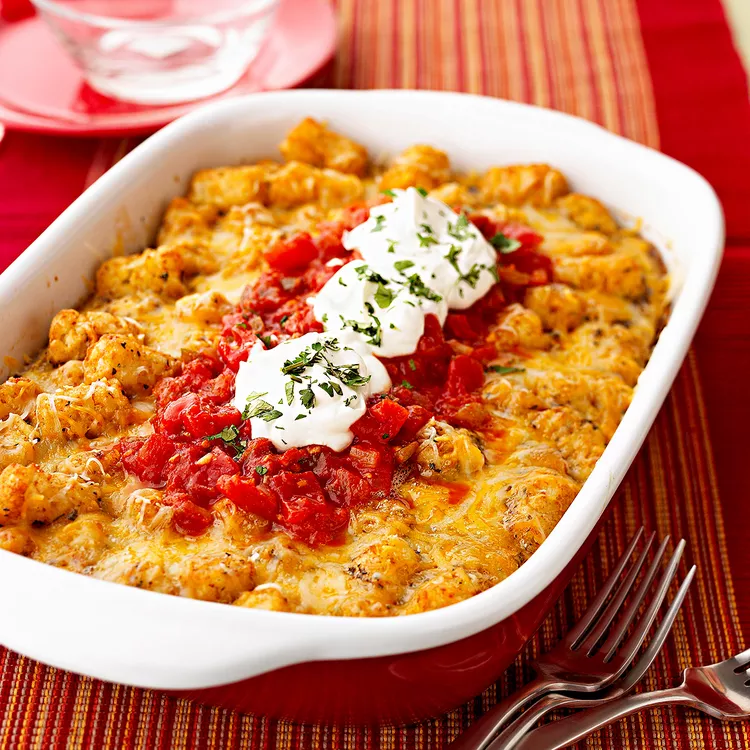
Easy Huevos Rancheros Casserole
Cumin, garlic, and chili powder add a little kick to this egg and potato casserole. It's delicious for a brunch or a light dinner.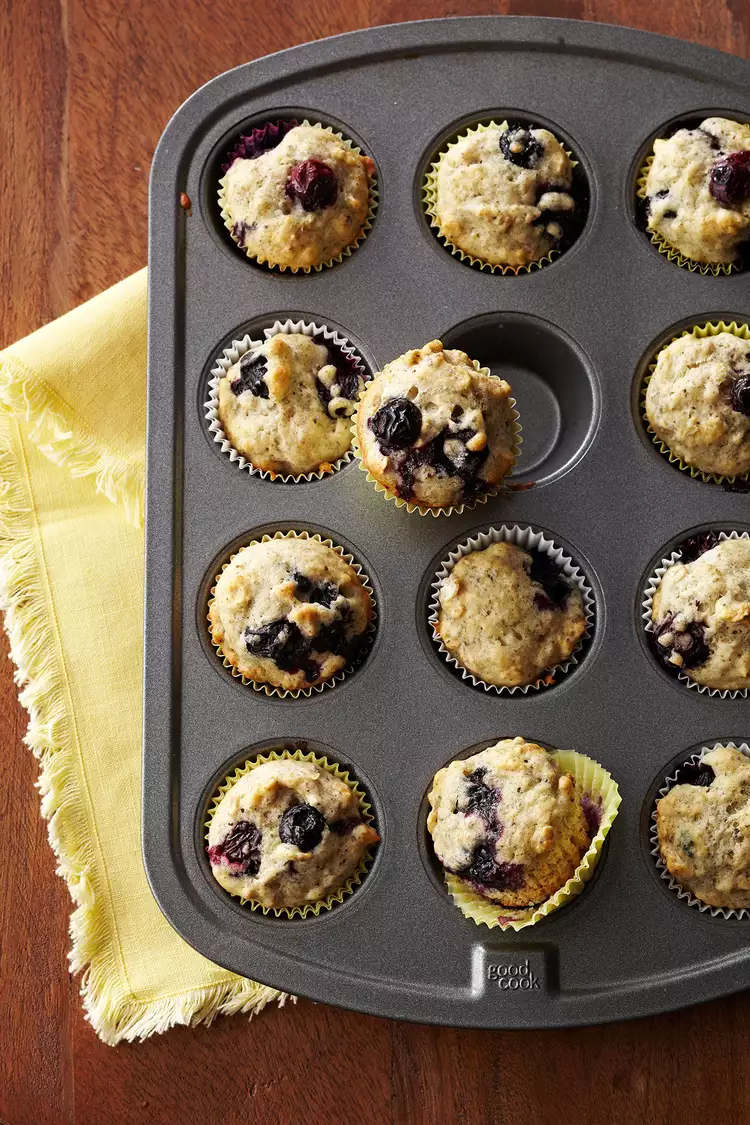
Blueberry Oat Chia Seed Muffins
These sweet mini muffins are delicious and surprisingly healthy! Get your day started off on the right note with these blueberry muffins that come with a few health upgrades (including oats and chia seeds).