
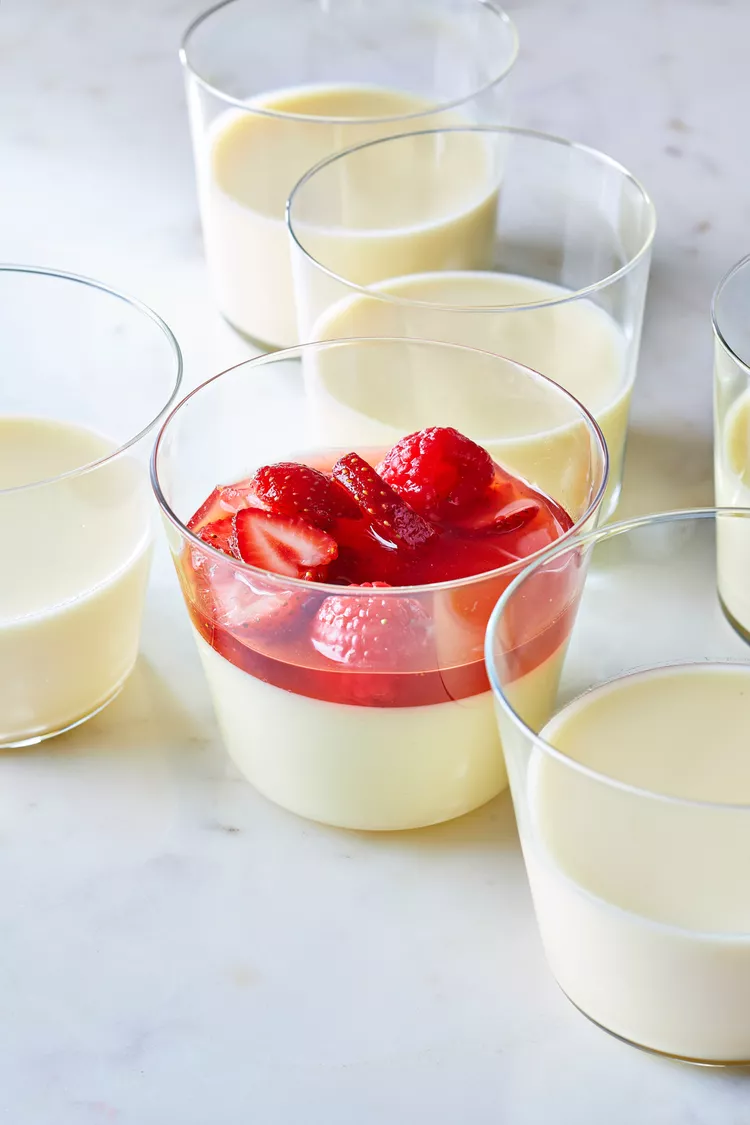
English Lemon Posset
Recipe excerpted from Modern Comfort Food by Ina Garten. With four tablespoons of limoncello and a generous amount of lemon zest, this is the perfect sweet for lemon dessert lovers.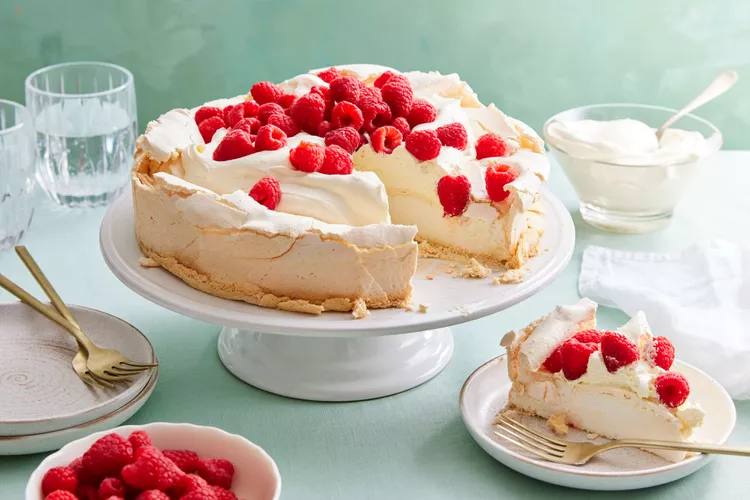
Schaum Torte Is the Beloved Wisconsin Dessert You Need to Try
Schaum Torte is a classic German dessert that's popular in Wisconsin. Our Schaum Torte recipe is made with layers of airy meringue, whipped cream, and berries.
15 Best Side Dishes for Salmon
Salmon can be a real showstopper of an entrée. Make it stand out even more with a good side dish for salmon. Healthy sides like bright vegetables and filling ones such as rice side dishes, pasta side dishes, or potato side dishes, can really punch up your salmon. Here are 15 great side dishes for this delicious fish.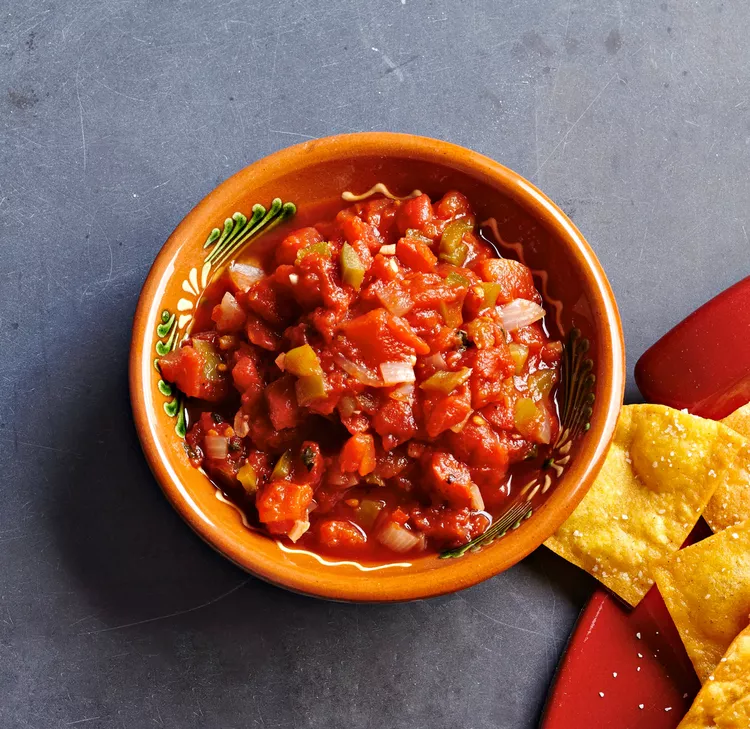
Chunky Homemade Salsa
Just add chips! Our homemade chunky salsa recipe, featuring spicy peppers and fresh herbs, tastes way better than the store-bought kind. Rather than going raw, try this cooked salsa recipe with your next Mexican meal.
13 Healthy Dessert Recipes Under 200 Calories a Serving
These easy, healthy dessert recipes are under 200 calories, so it’s possible to enjoy cake, frozen treats, cookies, and more and stay on a meal plan.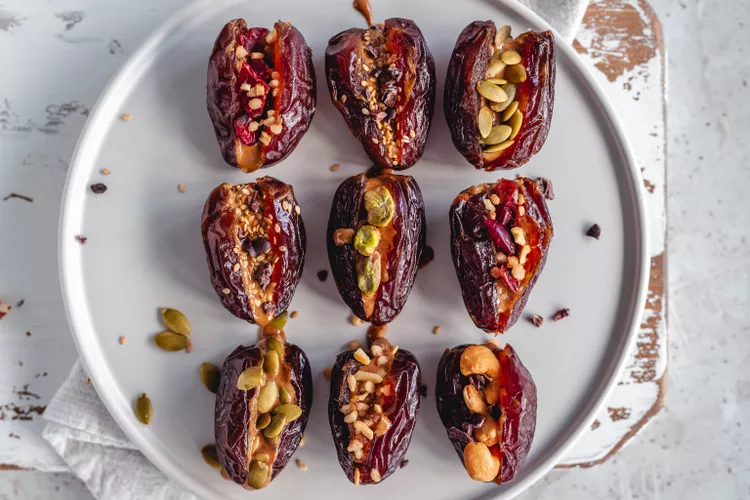
Why Dates Are on Everyone’s Go-to Snack List Right Now
Dates—aka nature’s candy—are having a bit of a moment, but the benefits of this fruit go way beyond flavor. Learn about the benefits of eating dates, plus how to fit more into your routine.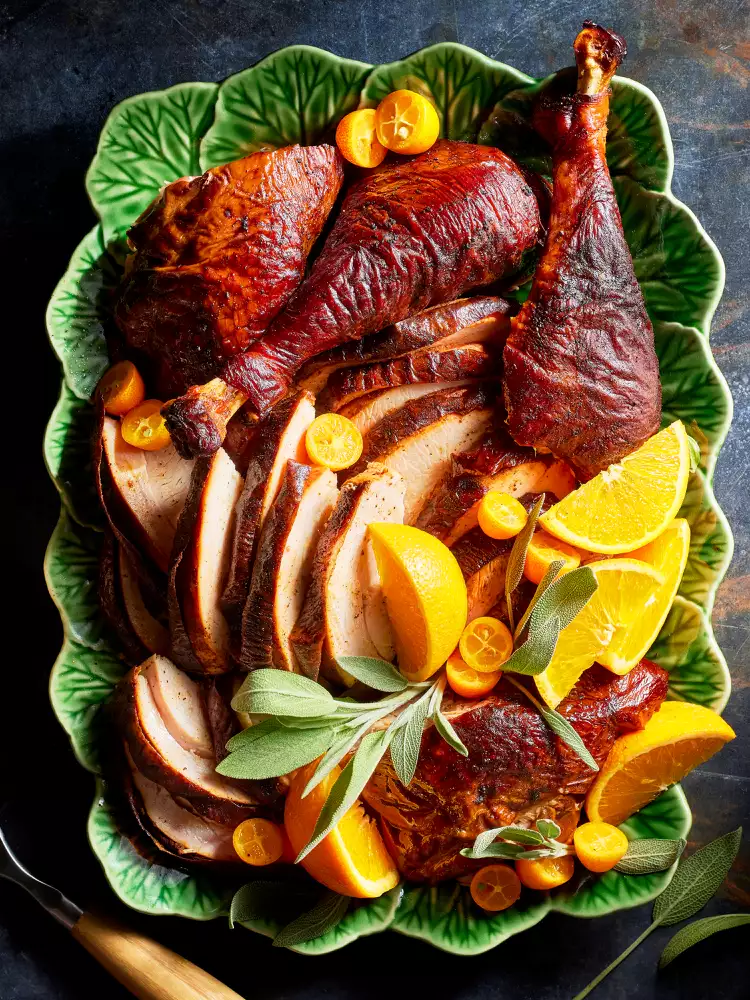
This Smoked Mole-Inspired Turkey Is Juicy and Flavorful
For this smoked turkey recipe, we concocted a rub using spices typically found in a traditional Mexican mole (a rich chocolate-chili sauce), including cocoa, cinnamon, cumin, and chili powder. If you don’t have a smoker, you can still use the warm spice combo on a roasted turkey.
Is a Pinch of Salt the Secret to Your Best Cup of Coffee Yet?
Our experts weigh in on when (and when not) to add salt to coffee.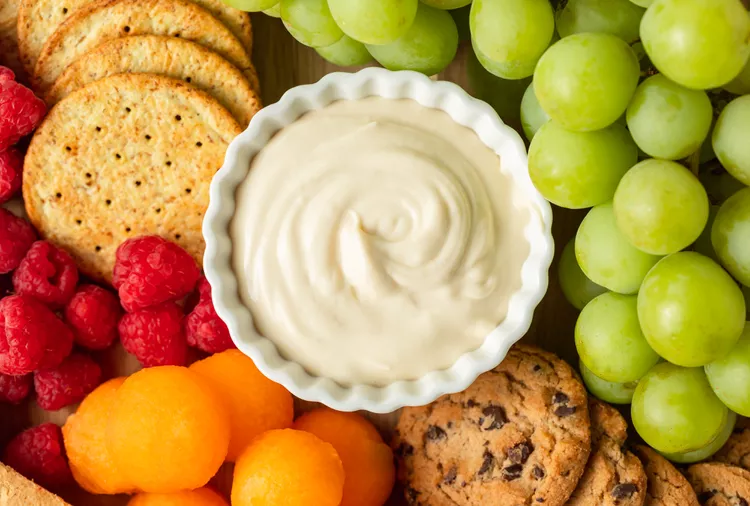
Cream Cheese and Yogurt Fruit Dip
Everything from cantaloupe to grapes to berries tastes better dunked in this easy fruit dip recipe. Share this homemade yogurt fruit dip at parties or package in small containers to tote in brown bag lunches.
Here's How to Make Perfect Deviled Eggs
Add new taste sensations to a popular potluck food by jazzing up standard deviled eggs.
16 Make-Ahead Appetizers to Freeze for Easy Entertaining
With these delicious make-ahead appetizers to freeze, you'll always be ready for a get-together. Recipes include meatballs, snack mix, and guacamole.
How to Make Popcorn on the Stove Perfectly Every Time
When you know how to make popcorn on the stove simply from popcorn kernels and oil, you’ll always choose stovetop popcorn over bagged microwave popcorn.
Cut Your Prep Time in Half With Our Tips for Make-Ahead Pie Crust
Sped up your favorite sweet and savory pie recipes with a classic pastry dough that can be stored in the fridge or freezer for quick use.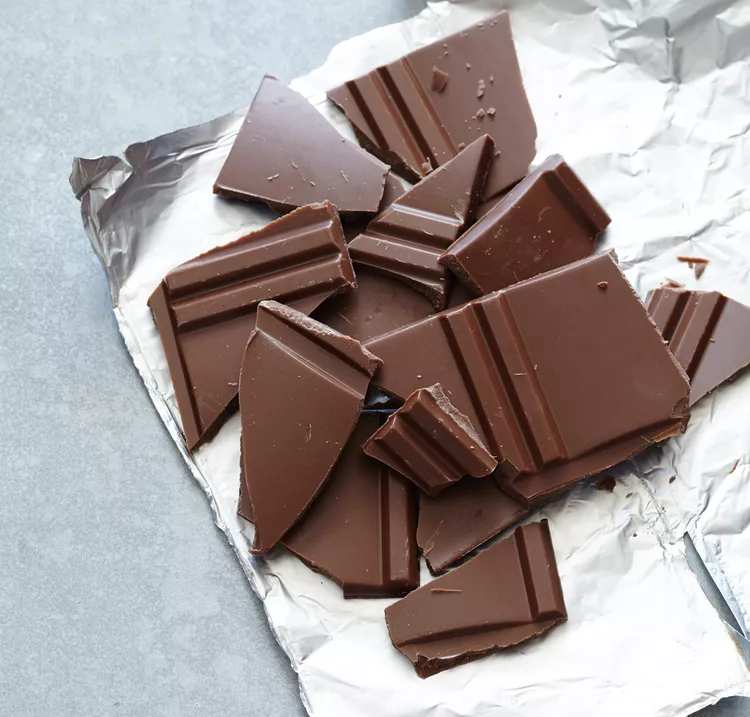
Our Test Kitchen's Top Substitutes for Chocolate of Every Type
Discover the best substitutes for semisweet, baking, and unsweetened chocolate in your favorite recipes with our Test Kitchen-approved alternatives.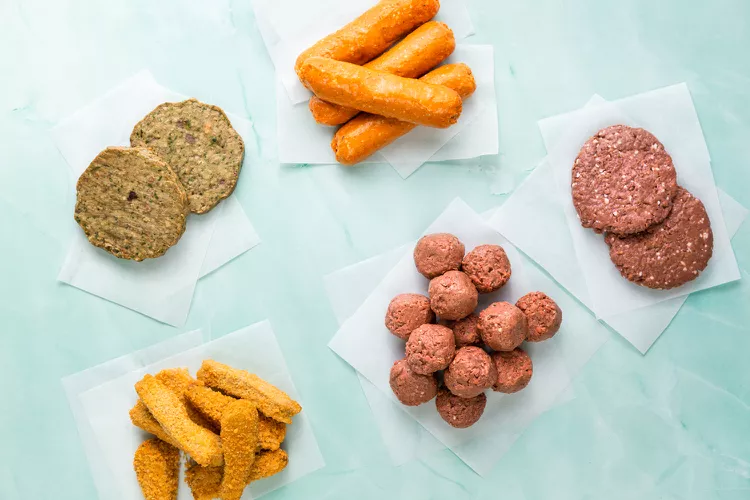
Are Plant-Based Meat Substitutes Healthy? What You Need to Know
Plant-based meat substitutes are increasing in popularity. If you're interested in becoming a vegetarian or flexitarian, look at the ingredient list.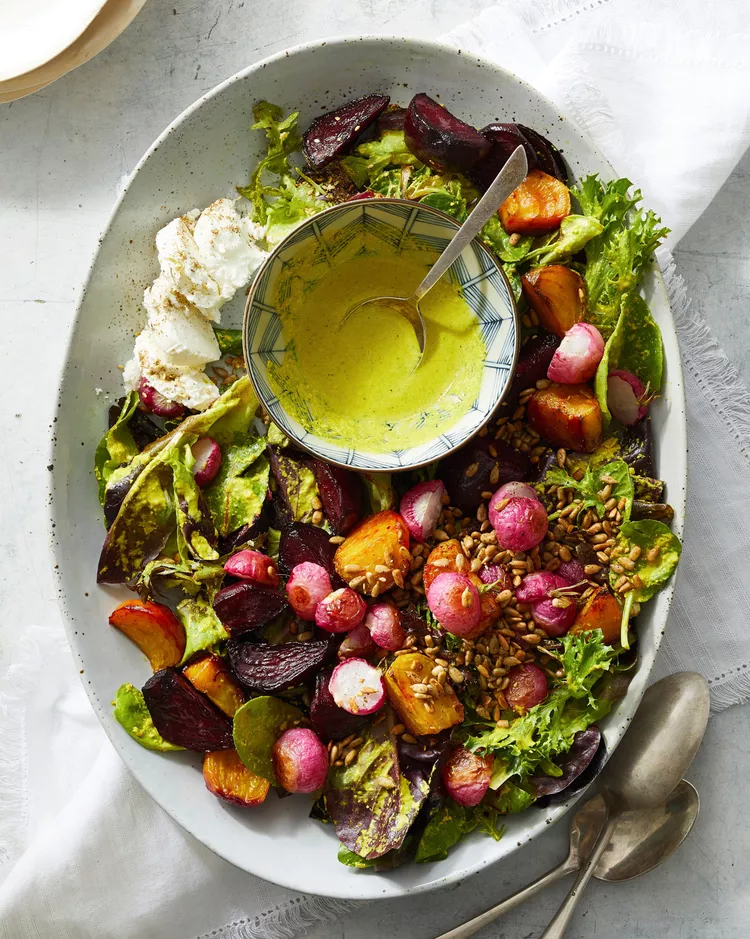
Roasted Beet and Radish Salad with Sunflower Seed Turmeric Vinaigrette
Roasted beets and radishes provide an irresistible earthy base to this Mediterranean-seasoned salad.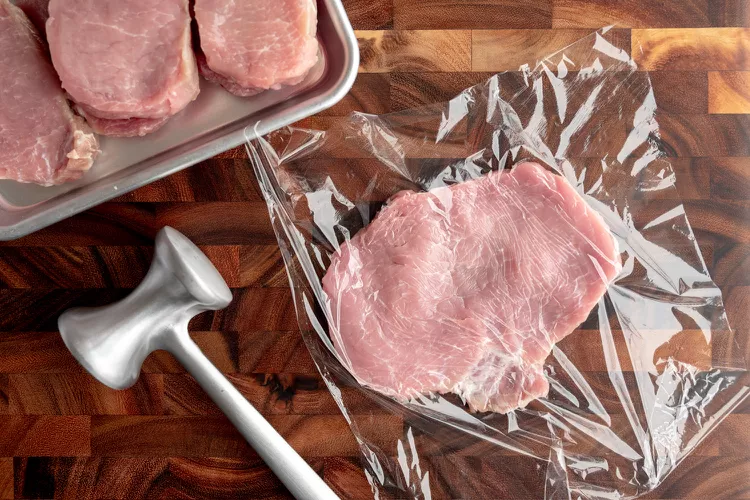
Classic Pork Tenderloin Sandwich
Learn how to make a pork tenderloin sandwich. You'll discover what goes on a pork tenderloin sandwich and the history of how a pork tenderloin sandwich recipe developed into one of the most popular sandwiches in the Midwest.
Turkey-Apple Grilled Cheese Sandwiches
We think grilled cheese could use an upgrade from just bread and cheese, don't you? To makeover this crowd-pleasing sandwich just a little, we added sweet onion, apple slices, turkey, and apple jelly to the cheesy filling in the center.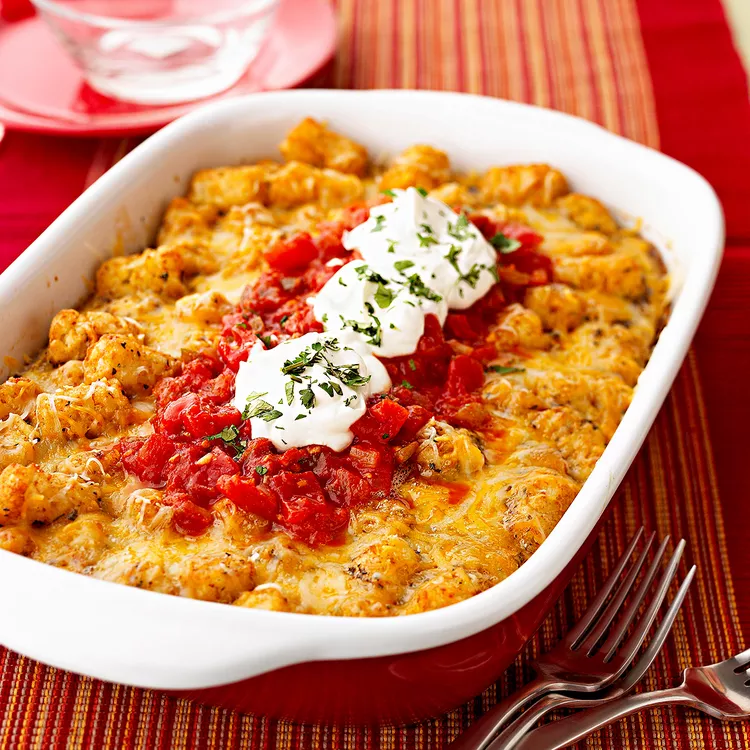
Easy Huevos Rancheros Casserole
Cumin, garlic, and chili powder add a little kick to this egg and potato casserole. It's delicious for a brunch or a light dinner.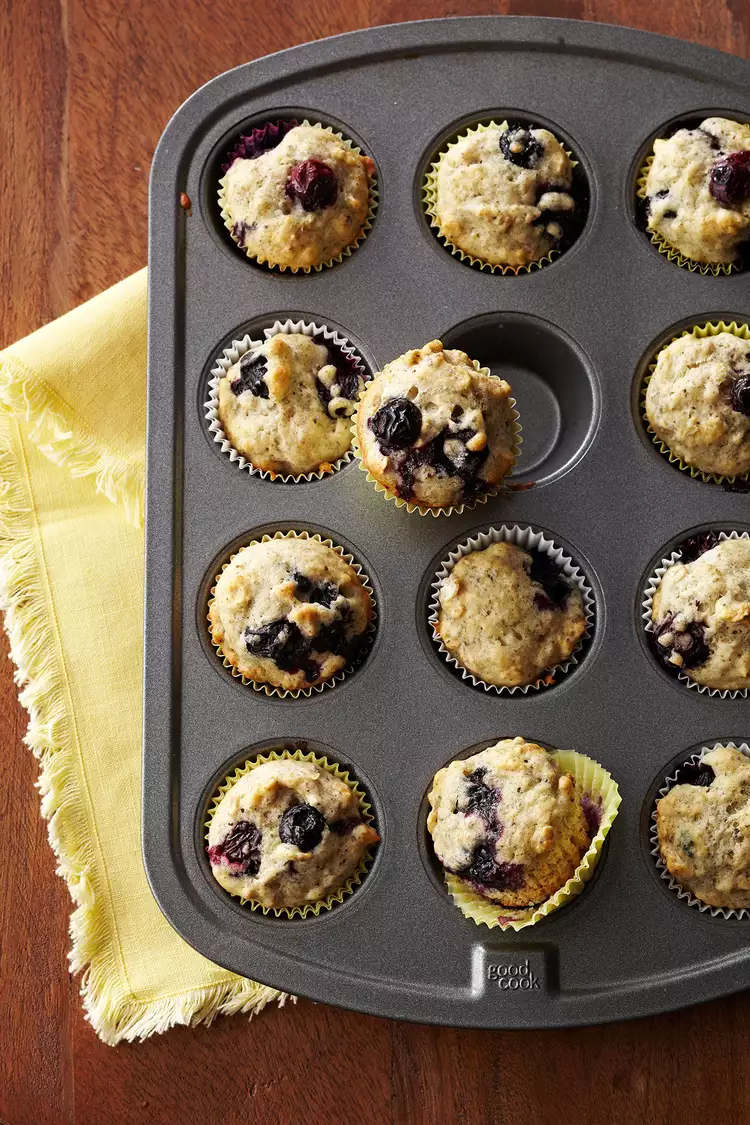
Blueberry Oat Chia Seed Muffins
These sweet mini muffins are delicious and surprisingly healthy! Get your day started off on the right note with these blueberry muffins that come with a few health upgrades (including oats and chia seeds).